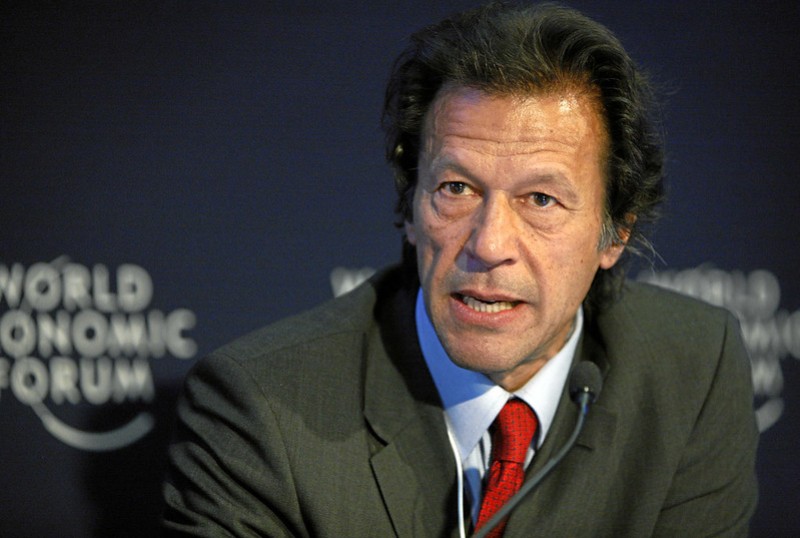
A court in Pakistan has imposed significant prison sentences on former Prime Minister Imran Khan and his wife, Bushra Bibi, in a case concerning the acquisition of state gifts. The verdict, delivered on Saturday, mandates 17 years of imprisonment for each.
The charges stem from allegations that the couple improperly obtained luxury items, which were originally presented to the state by foreign dignitaries, at a fraction of their market value. Judicial authorities stated the actions violated laws pertaining to corruption and breach of trust.

This latest ruling compounds the legal challenges facing the former premier, who has been detained since last year following his removal from power. He faces a series of additional charges, including accusations related to official secrets and anti-terrorism statutes. Khan and his political organization, Pakistan Tehreek-e-Insaf (PTI), have consistently rejected all allegations, labeling them as a politically driven campaign.
According to the court’s findings, the case specifically involved high-value watches received during state visits. Prosecutors argued that the subsequent private acquisition of these gifts resulted in a substantial financial loss to the national treasury.
A government representative indicated that this new sentence would commence after Khan serves a separate 14-year term recently handed down in an unrelated property case.
Khan’s legal representatives have announced plans to challenge the verdict, calling it a miscarriage of justice. Some independent observers have questioned the severity of the penalty, suggesting alternative measures like financial penalties might have been more proportionate for the alleged offenses.
The case falls under a broader category of legal proceedings in Pakistan, often referred to as Toshakhana cases, which govern the disposal of gifts received by public officials. A prior conviction in a connected matter was suspended upon appeal last year.
In response to the sentencing, Khan’s party has called for demonstrations, alleging a pattern of judicial overreach and restrictions on access to the detained leader—claims that officials deny.