Five prominent Peruvian investigative news organizations have launched a legal battle against a new statute they argue grants the state excessive control over foreign funding, effectively enabling censorship. The outlets—Salud con Lupa, IDL-Reporteros, Ojo Público, Convoca, and Epicentro TV—have filed constitutional petitions in Lima seeking to overturn the legislation.
The law, enacted earlier this year, empowers the Peruvian Agency of International Cooperation (APCI) to approve or reject projects financed from abroad. Non-governmental organizations, including nonprofit newsrooms, must now register such initiatives with the government and obtain prior authorization. Failure to comply can result in severe fines.


Critics contend the statute is a direct threat to investigative journalism. By allowing officials to block international grants, the state could silence reporting on corruption, environmental issues, and public accountability. Fabiola Torres, director of Salud con Lupa, described the measure as “censorship disguised as law,” arguing it gives authorities the power to decide what topics can be investigated.
The legal filings assert the law violates constitutional protections and international human rights treaties by imposing a form of prior restraint. The petitioners are asking the courts to declare it unconstitutional and suspend its application.
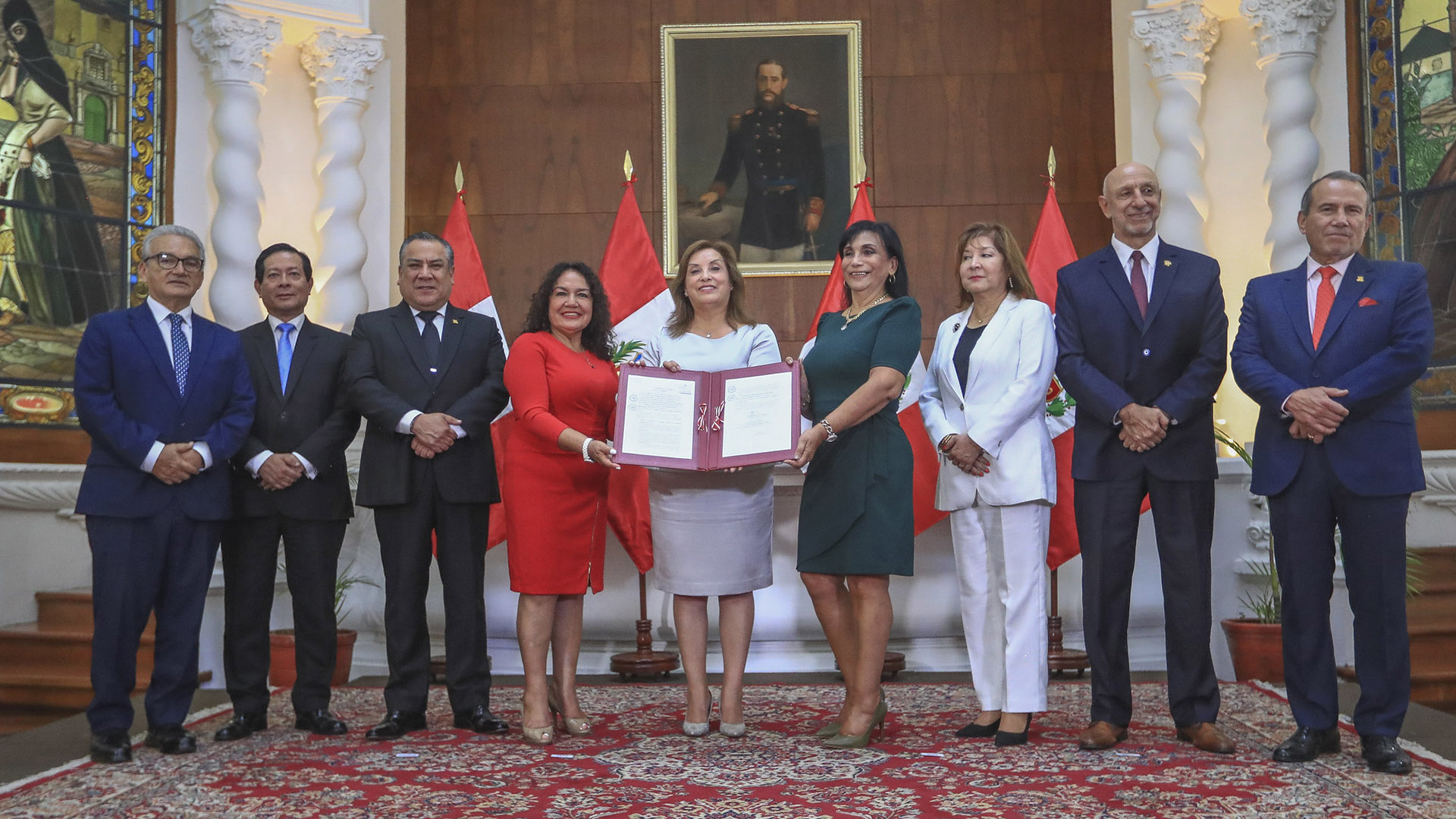
The legislation was promoted by former President Dina Boluarte, who claimed it was necessary to ensure transparency and scrutinize a minority of groups allegedly acting against national interests. However, civil society organizations, indigenous communities, and some lawmakers had warned it would undermine freedom of association and expression, potentially harming vital work in health, human rights, and environmental defense.
A ruling from Peru’s constitutional courts is anticipated in the coming months.
The conflict occurs within a broader regional context where governments have increasingly sought to control foreign funding for civil society. Similar “foreign agent” laws in countries like El Salvador, Nicaragua, and Venezuela have restricted independent journalism and advocacy.
In Peru, the press environment has grown notably hostile, with journalists facing harassment, digital attacks, and physical violence. The new legal framework is seen by many as an escalation of these pressures, aiming to financially strangle investigative outlets that rely on international grants to operate.
Torres summarized the stakes: “What they want with this is for us to disappear.” The outcome of this legal challenge will significantly impact the future of independent journalism in the country.